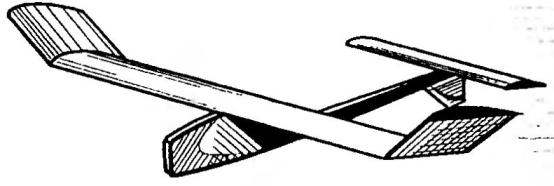
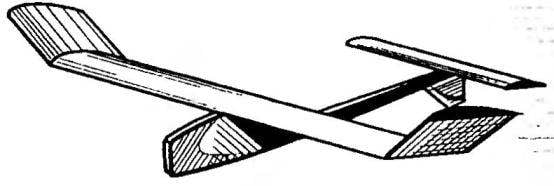
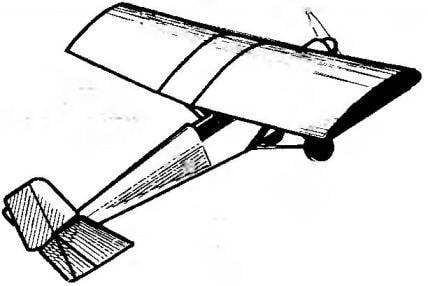
 This svobodnymi glider — simple, durable, reliable and moderately “volatile” — was created as a training. It was assumed that newcomers in the process of its manufacture and operation will quickly master techniques of the work with the model aircraft materials and will gain the skills to adjust and run the model. However, tests have shown that among its advantages is joined by terrific “volatility” on the level of specialized osakryl models championship.
GLIDER “CD”
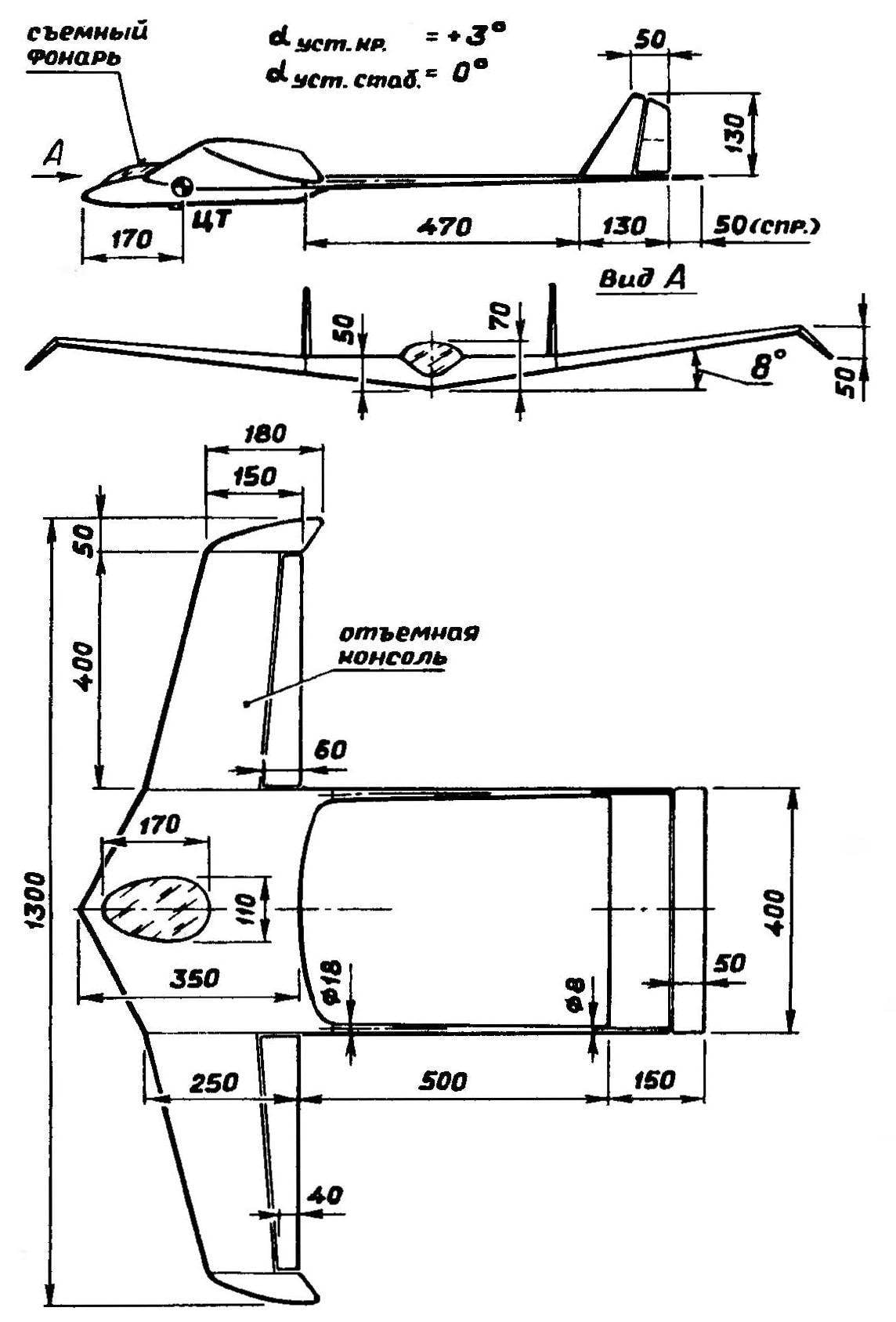
 RC model airplane, provided in this publication, it is highly unusual for the national school of design. First of all it is established in accordance with more and more of the fashion for Maxi models (it is appropriate to recall that the rules of competitions of the International Federation of air sports is not the first year there is a subclass supermystery models). In addition, its overall design matches popular today modelers orientation on the old стиль1 when models are more like genuine planes 30 years, rather than a pure sports “shells”.
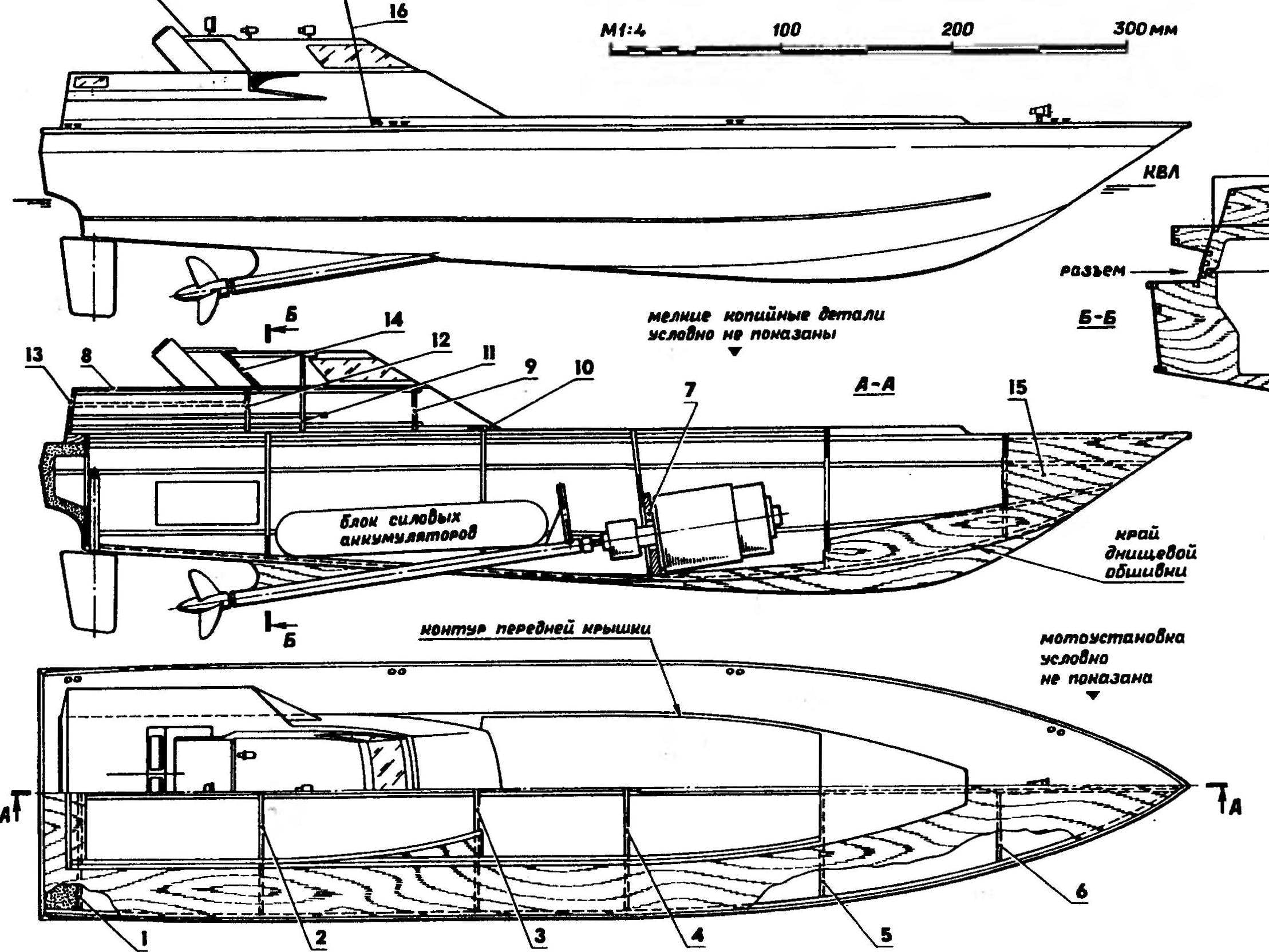
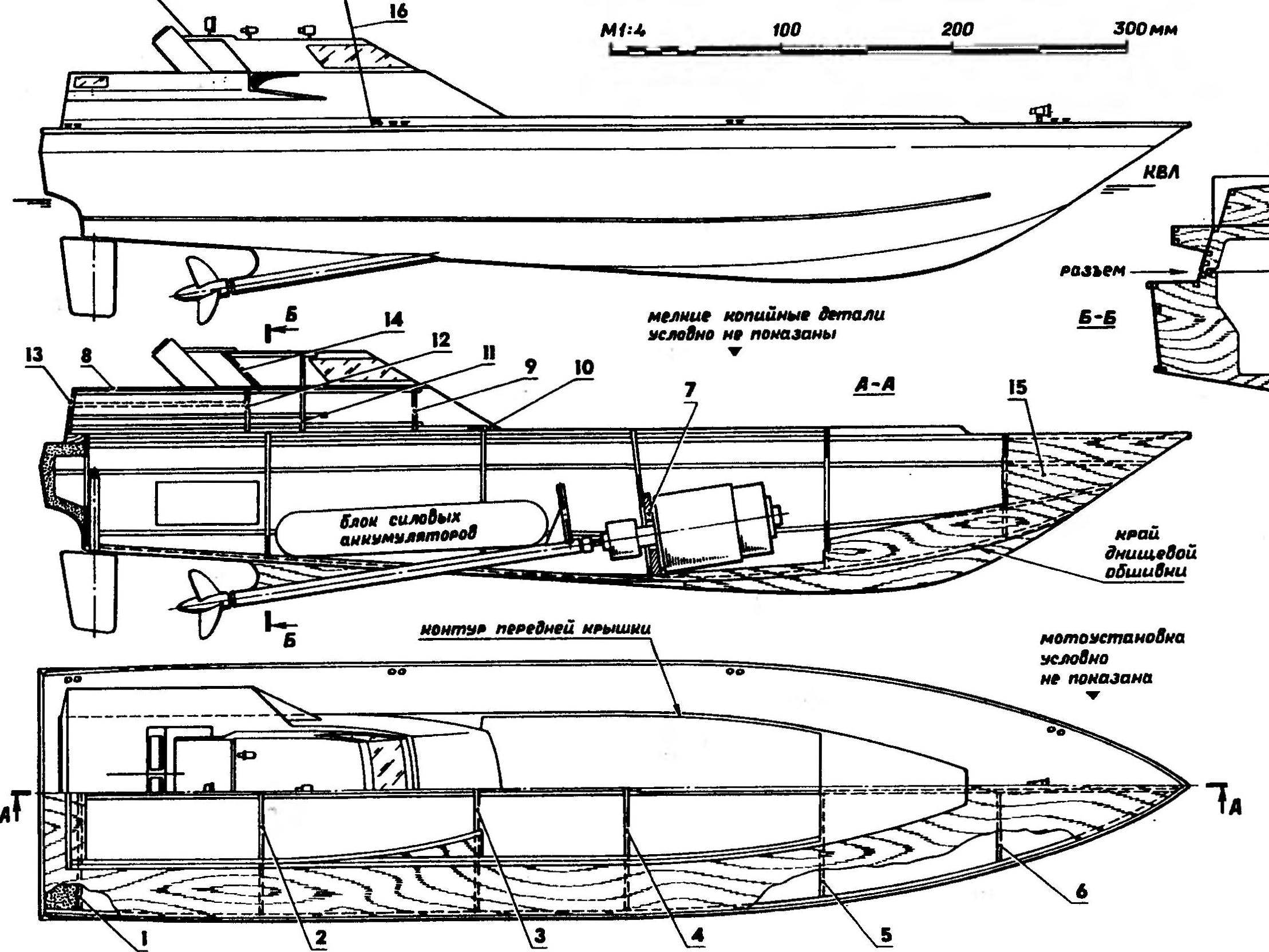 A prototype of the proposed model-polyopia was a unique motor speed the ship Des-triero. Built by Italian club “Costa Smeraldo”, it was intended for a single purpose — to beat the speed record for transatlantic crossing, owned since 1990 no less unique boat Hoverspeed Great Britain. Great work on designing and developing unique vessel was done by the Italians with success: Destriero has passed the way from England to new York in 58 hours 34 minutes and 50 seconds, thus putting a new world record.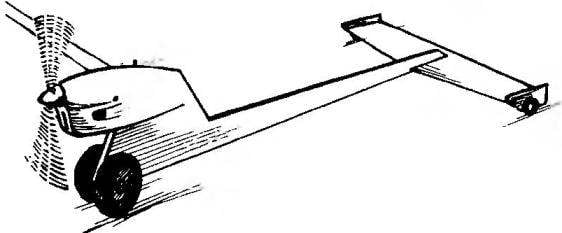
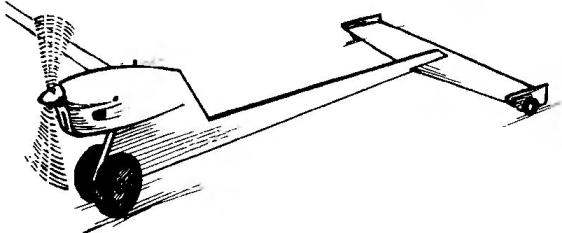 Read in the “Modeller-designer” interesting article on the new generation car with aerobrigada, the boys from the circle, which I direct, has decided to develop the proposed innovation. Its essence was the transfer stabilizatory plate from the zone of slipstream in close proximity to the track surface of the track, where the model moves at a high speed must manifest the aerodynamic ground effect. Although models that are built in our group, has repeatedly won prizes in on competitions and seemed to be brought to constructive and technological excellence, yet wanted to try something new.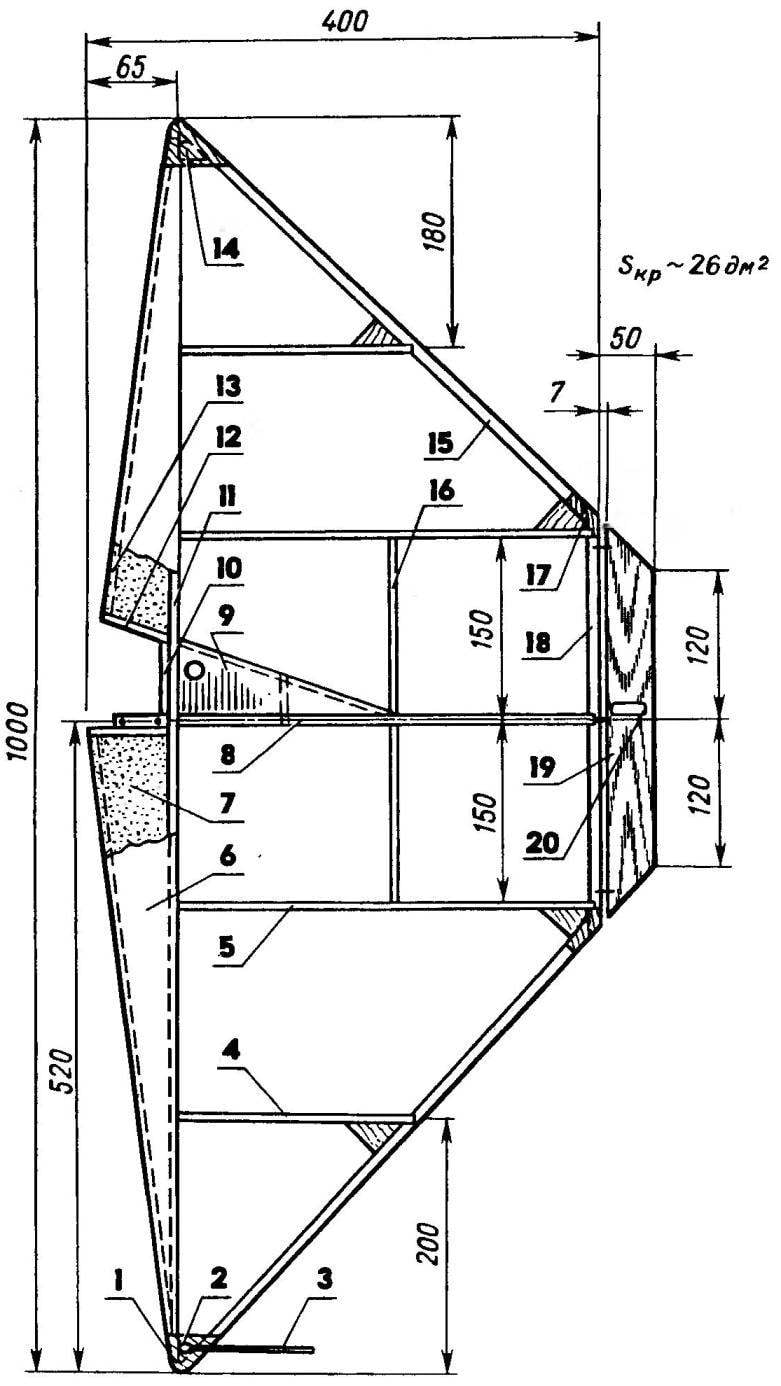
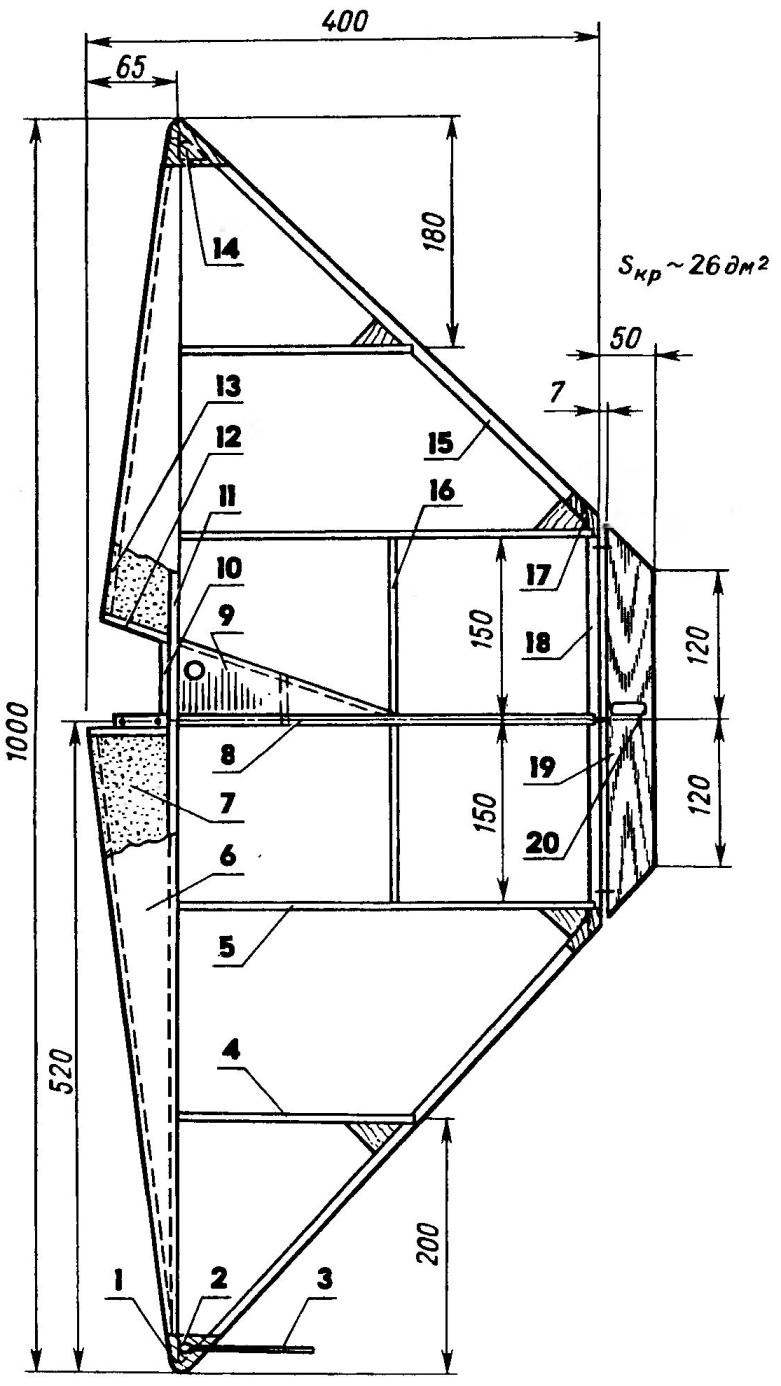 It would seem that all has been investigated in this technically simple class of models, as F2D (combat model aircraft). But no, from time to time there are new developments designed to bring to perfection, if not the entire structure of the apparatus as a whole, at least the main nodes. Today we bring to the athletes is very innovative solution to this important hub, as the wing tip. If other aeromodelling classes when rendering first tackle the issues of aerodynamics, the “bouzouki” is much more important than their minimal weight and the ability to effectively combine the front and rear of the power zone of the frame together. The latter factor is important not only in extreme situations. At the same time provided a good connecting construction of the said belts, and wingtips will be significantly easier and the whole power structure as a whole.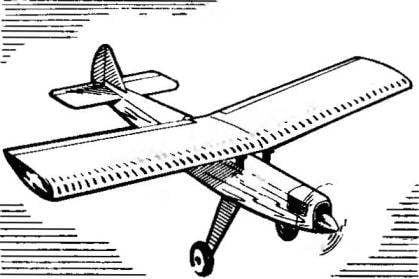
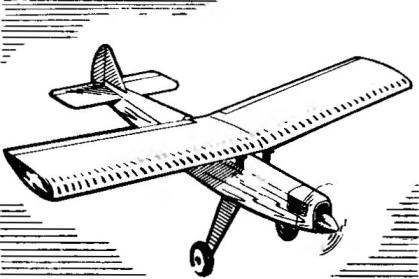 Despite the popularity of radio controlled model airplanes-srednevekov, the attention of designers-modelers often drawn to the now obsolete scheme. And this is understandable — after all, the “big” aviation, such machines include a spectacular cabin aircraft, starting with the domestic Yak-12 and ending with dozens of options American Cessna.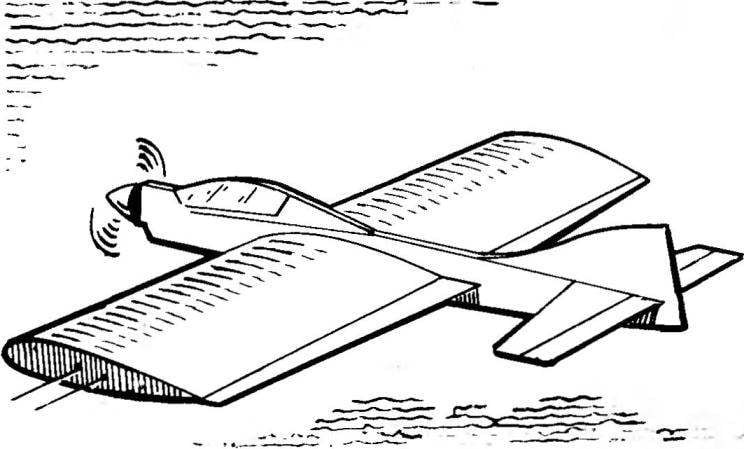
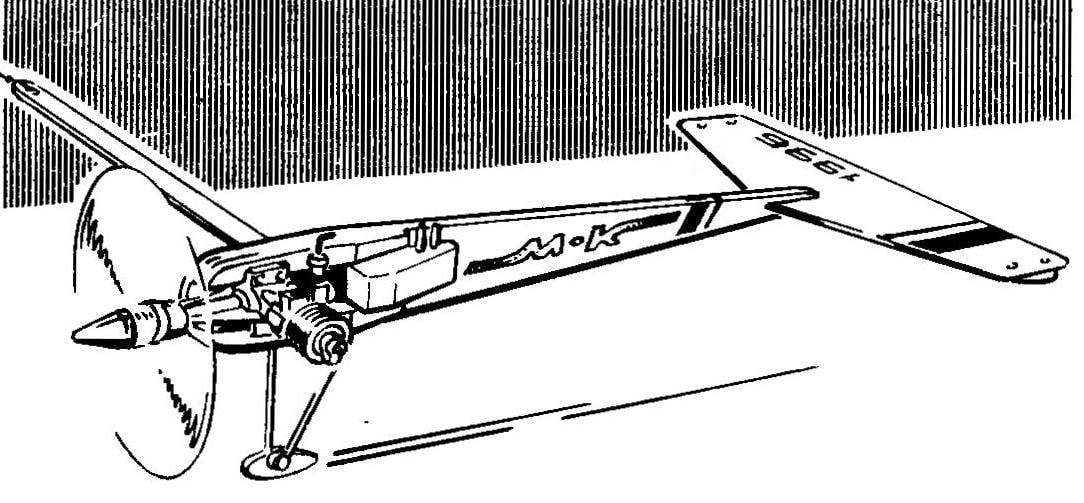
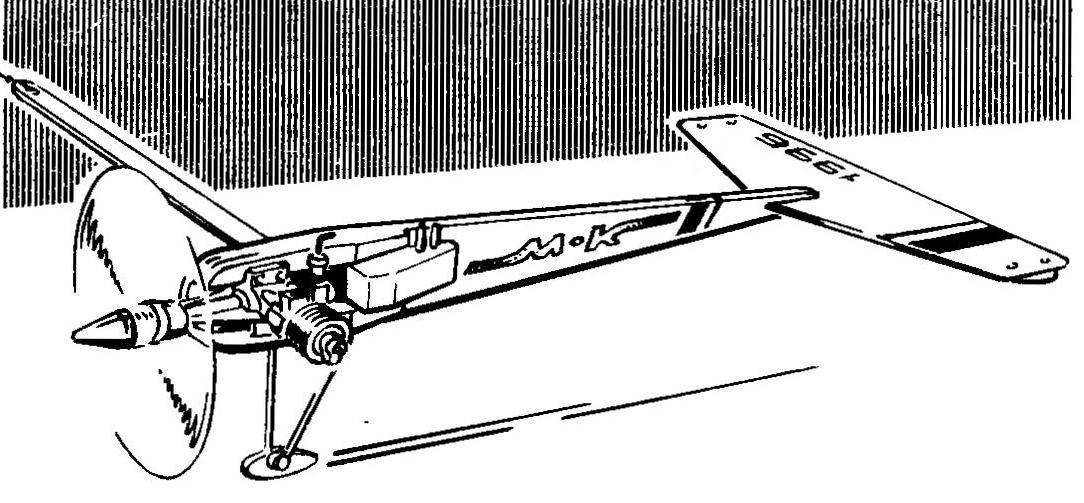
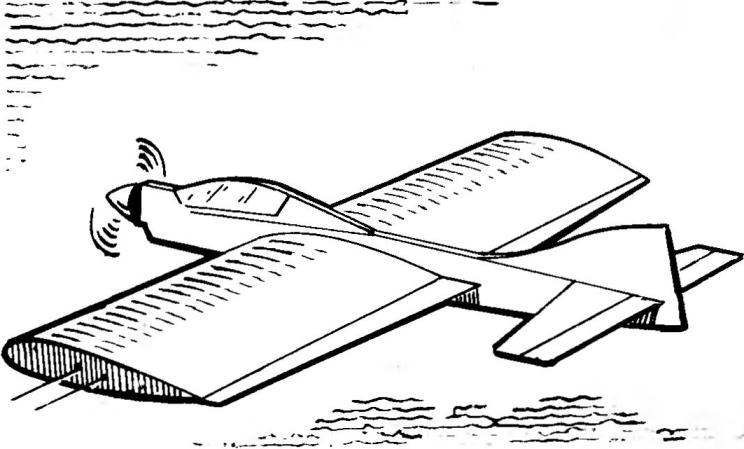 This cord pilotage has an excellent management system and has excellent maneuverability, which allows it to perform the most complex maneuvers. And most importantly – it never loses connection with the pilot due to robust tension cord at any point of the flight hemisphere. The design of this model is quite original and in many ways not consistent with accepted standards. In order to design such models, it is useful to get acquainted with the principles of determination of main parameters cord pilotage.